




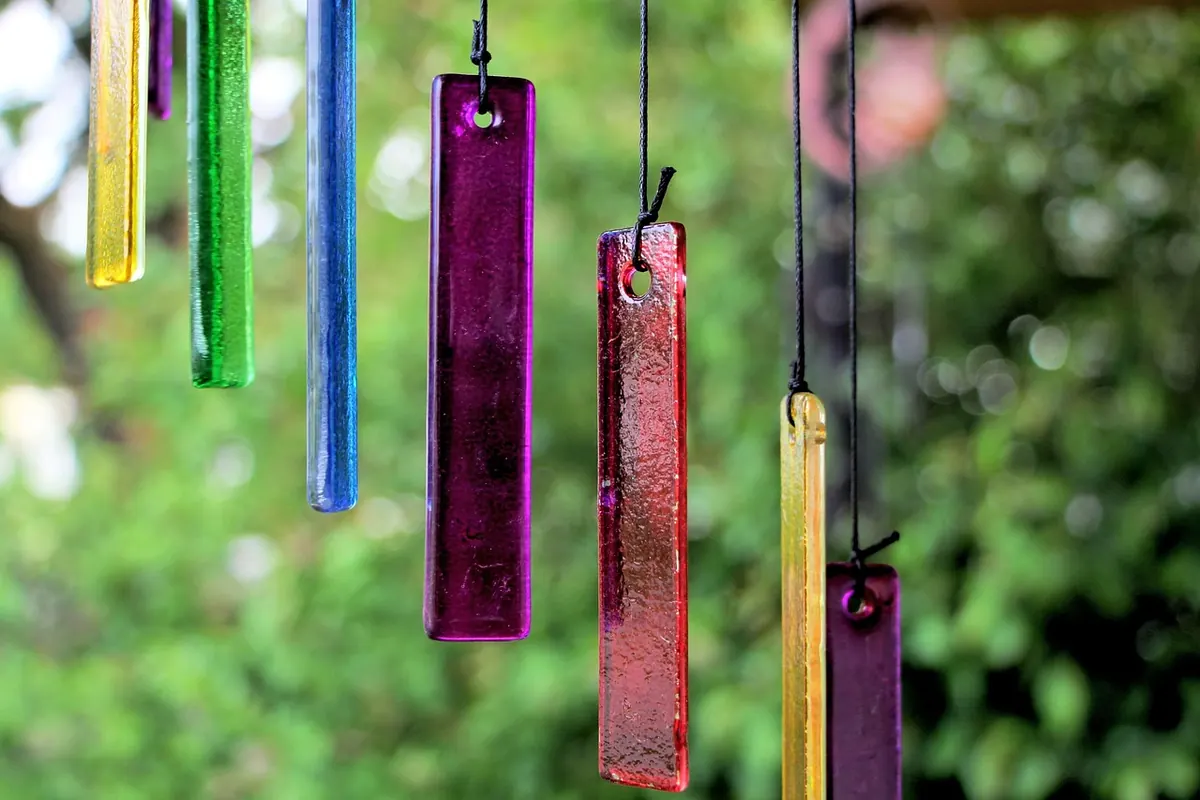
Glass garden ornaments are at their best when they catch light, not when they disappear into a border. A clear gazing ball under a shrub may look elegant in the shop and vanish by June. A red glass stake in full sun can be a bright note in February, then feel too hot in August. The difference is not the ornament; it is the arrangement. Treat each piece as part of a changing composition, one that accounts for the sun’s path, the garden’s seasonal peaks, and the height of the plants around it, and you get color that earns its place in every month.
Begin with a slow walk around the garden at three times of day. Notice where light lands in winter, where foliage casts deep shade in summer, and which windows or paths you actually look through. Those observations will do more for your arrangement than any rule about color. Take notes or photographs from the same spots through the year; the garden you see in July is not the garden you see in January, and the ornaments need to work in both.
Read the light before you place anything
Light decides whether glass reads as a jewel or a dark blob. Before you push a stake into the soil, watch the space.
- Morning: Find the first hour of direct sun. East-facing beds warm early and suit clear or pale glass that catches low rays.
- Midday: Look for harsh, open sun. Deep cobalt, ruby, and emerald hold their color here; pale glass can wash out.
- Late afternoon and evening: Watch where light comes through leaves. Backlit translucent pieces glow; opaque pieces need a lighter background to stand out.
- Winter: Check the same spot when the sun is low and deciduous shrubs are bare. A piece hidden by summer foliage may become the best thing in the garden in January.
In deep shade, choose clear, white, pale blue, or iridescent glass. Dark amber and deep purple tend to close up against evergreen foliage. In strong sun, saturated colors have enough depth to compete with bright flowers. If a wall, gravel path, or pale fence can bounce light back into the border, use it; glass placed near a reflective surface keeps working after the sun has moved. A cobalt stake that looks muddy under a cedar may blaze when moved two feet toward a gravel path, and a pale globe that disappears against a white wall can become a quiet focal point when set against dark foliage.
Plan color for four seasons, not one
Year-round color does not mean the same color all year. It means there is always something to see. Build a quiet base of clear, iridescent, or soft green glass, then add accents that answer each season. Think of the base as the chorus and the brighter pieces as soloists: too many soloists and the arrangement becomes noise.
Winter
Low sun and bare branches make warm colors sing. An amber globe, a ruby stake, or a copper-toned suncatcher placed where winter light reaches it will carry a border when little else is flowering. Keep evergreens in the frame, but do not hide the glass inside them; set it just in front of the dark foliage so the contrast does the work. In a small front garden, a single amber ball on a slim rod can be enough to draw the eye from the street, especially when frost or a dusting of snow brightens the ground beneath it.
Spring
Spring light is bright and restless. Small pieces can hold their own while bulbs and new leaves are still low. Place pale pink, white, or soft blue glass near early perennials, but leave enough room for the plants to rise. A stake that looks well spaced in March can be swallowed by May. Group three small floats at different heights near a clump of daffodils, then step back and check that at least one remains visible once the foliage lengthens. Move the lowest piece forward if the group starts to disappear.
Summer
In summer, foliage is the competition. Move attention upward: tall stakes, hanging glass, or ornaments set on a plinth above a mound of perennials. Blues and greens settle into the border; clear and iridescent pieces catch the high sun. If a plant flops over the piece, lift the ornament rather than cutting the plant back hard. A tall glass finial rising above a drift of nepeta or salvia will stay visible even when the border is at its fullest, while a low globe can be reserved for the open edge of a path or patio where plants do not crowd it.
Autumn
Autumn light turns golden and long. Amber, russet, deep green, and smoke-colored glass feel at home beside grasses and seedheads. This is also the season to edit: cut back what has collapsed, move short ornaments to the front, and clear fallen leaves from bases so water can drain. Leave seedheads standing where they add structure, and let a glass globe sit among them rather than burying it in mulch. A russet piece placed near a clump of molinia will echo the grass without matching it too literally.
Match ornament height to planting height
The most common mistake is placing glass by the size of the plant on planting day. Gardeners see a neat young perennial and set a small stake beside it. By midsummer the perennial is twice as tall and the ornament is gone. Measure the mature height, not the current height, and place the colored element where it will still be visible.
- Ground layer: Low globes, glass mushrooms, and small floats sit among ground cover and gravel. Use them at path edges or in open spaces where plants stay low.
- Mid layer: Stakes and suncatchers belong at the front or middle of a border, with the glass set roughly 10–20 cm above the expected foliage line.
- Canopy layer: Hang ornaments in the outer third of a shrub or tree, not deep inside. They should catch light from the side you view most often.
For a border that fills in fast, choose a stake with an adjustable height or set the ornament on a slim metal rod that can be raised. In a gravel garden or patio bed, a low piece can work hard because there is no foliage to hide it. Stand at the kitchen window, the back door, and the main path. If the glass is not visible from at least one of those points, move it before you plant around it. A 40 cm stake beside a plant that reaches 90 cm is not an arrangement; it is a buried treasure. Give the glass enough clearance to be seen, and let the plants provide a frame rather than a curtain.
Group and repeat for rhythm
One large piece can anchor a view; three small pieces can lead the eye. Avoid lining ornaments up like a fence. Stagger heights, vary spacing, and repeat one color at intervals so the eye moves through the garden rather than stopping at a single object. A ruby stake at the path entrance, a smaller ruby float halfway along the border, and a ruby globe near a seating area create a theme without looking like a matched set.
Odd numbers usually look more natural than even pairs, but the real rule is variation. Put two pieces close together and the third farther away, or set one high, one low, and one at eye level. Repetition works best when the repeated element is a color or a shape, not an identical ornament. If you love clear glass, repeat the round form in different sizes; if you prefer saturated color, repeat the color in a stake, a globe, and a hanging piece. The garden will feel composed without feeling catalogued.
Leave breathing room. Glass needs a plain background to shine, whether that is gravel, dark soil, evergreen foliage, or a painted fence. A cluster of ornaments crammed into one border competes with itself. Spread the strongest pieces to separate viewing points, then use quieter glass to connect them.
Anchor views and use sightlines
An ornament has two jobs: to add color and to hold a view. Before you place anything, identify the main sightlines in the garden. These are the routes your eye travels every day: from the kitchen sink, through the back door, along the main path, past a bench, or toward a gate. The strongest ornaments belong at the end of those lines or at a turn where the eye naturally pauses.
At a path bend, a tall cobalt stake or a plinth with an iridescent globe can signal the change of direction. At the end of a lawn, a large gazing ball can hold a distant view that would otherwise dissolve into shrubs. Use smaller pieces as stepping stones along the route, but keep them subordinate to the anchor. In a small garden, one anchor is often enough; too many competing focal points make the space feel restless rather than rich.
Framing matters as much as placement. A piece seen through an arch of branches or between two upright evergreens gains importance. A glass globe half-hidden behind a low wall can create curiosity, but only if the viewer can move closer to see it. Check the view from inside the house as well. Winter color is especially valuable when it can be seen from a warm room, so place a warm-toned ornament where the low winter sun hits it and the window frames it.
Protect glass through weather and seasons
Glass is durable but not indestructible. A piece that stays out all year needs a stable base, good drainage, and a little maintenance. Set stakes deep enough to resist wind, and check them after frost heave or heavy rain. A glass globe sitting directly on soil can tilt after a freeze; set it on a flat stone, a gravel pad, or a purpose-made base so it stays level and does not trap water.
- Wind: Choose low, heavy pieces for exposed sites, or secure hanging ornaments with proper wire and hooks. Avoid placing glass where branches rub against it in gusts.
- Frost: Make sure bases drain freely. Glass that sits in a puddle and then freezes is more likely to crack. In severe storms, bring in thin or antique pieces if you can.
- Sun and heat: Dark glass can become very hot in midday sun. It is still safe outdoors, but avoid placing it where it will scorch nearby foliage or where children and pets might grab it.
- Maintenance: Clean glass with mild soapy water and a soft cloth. Avoid abrasive pads that dull the surface. Dry it after cleaning to prevent water spots, and check hanging wire and stakes at the start of each season.
Keep ornaments out of the path of snow shovels, mowers, and strimmers. In autumn, clear fallen leaves from around bases so water can drain and so the glass is not hidden by wet debris. In spring, wash away winter grime and reposition any piece that has been swallowed by new growth. A little attention at the turn of the season keeps the arrangement working all year, and it gives you a good excuse to walk the garden with a critical eye.
Photo: HNewberry / Pixabay