

A glass sculpture can make a border look lit from within; a ceramic vessel can anchor a doorway with quiet weight. Both belong in gardens, but they do not age in the same way. The choice is less about which material is better than which one suits your climate, your site, and the way you garden. Here is what to weigh before bringing either home.
Weather Resistance: What the Seasons Actually Do
Outdoor life is a slow test: sun, rain, frost, salt, and wind-driven grit. Glass and ceramic respond differently, and the details of manufacture matter more than the label on the tag.
Glass: stable surface, brittle structure
Glass is non-porous, so it does not absorb rainwater or grow moss in the way porous ceramics can. A well-made cast or fused glass piece can sit outside for years with little more than an occasional wash. The weak point is impact and thermal shock. A sudden temperature change—cold rain on sun-warmed glass, for example—can crack a piece that is not designed for outdoor use. Ask whether the piece is made for exterior display and whether it has been annealed to reduce internal stress. Colored glass may shift or dull under long sun exposure, especially inexpensive decorative glass; quality and color type matter.
Ceramic: firing temperature changes the story
Ceramic is a broad family. High-fired stoneware and porcelain are dense, hard, and comparatively resistant to frost; terracotta and low-fired earthenware are porous and can absorb water. In a freeze-thaw climate, that water expands and can flake glaze, crack the body, or push a piece apart. Raku is beautiful but usually porous and fragile outdoors. Glaze crazing—fine cracks in the surface—is not automatically a failure, but it lets water in. Look for a maker who specifies outdoor suitability and drainage. A ceramic sculpture with a hollow base should have a weep hole so water cannot collect.
Weight, Wind, and Safe Placement
Glass has a reputation for fragility, yet a solid cast-glass sculpture can be surprisingly heavy. Blown glass is lighter and more vulnerable. Ceramic covers the same range: a chunky stoneware bird may stay put in a gale, while a thin-walled vessel needs shelter. Weight is only half the story; shape matters. A tall, sail-like piece catches wind even if it is heavy. Set either material on a wide, level base, and avoid perching it on a narrow wall. Keep glass away from mower edges, footballs, and paths where a wheelbarrow turns. On a balcony or roof terrace, check the load limit and fix the piece with a proper base rather than relying on gravity alone.
Repair Options: What Can Be Fixed, What Cannot
Repair is where the two materials part company most clearly. Glass cracks are structural. A small chip on a hidden edge can sometimes be smoothed by a glassworker, and a clean break in a stained-glass panel can be re-leaded. But an invisible repair to a load-bearing crack is rare. Household glue will not restore strength, and a repaired crack may fail again after a frost. For a treasured piece, consult a glass conservator; for most garden ornaments, replacement is the practical answer.
Ceramic chips and breaks can be filled with epoxy putty and tinted to match the glaze, and a restorer can model missing sections. The catch is outdoors: repairs must tolerate water and frost. A hairline crack that looks stable indoors can open up after a wet winter. If the piece is hollow, water entering through the crack can cause more damage. Repair a ceramic ornament only if it is sheltered, or accept that the repair is cosmetic.
- Inspect new pieces for sharp edges, unstable bases, and hairline cracks before placing them.
- Photograph the piece and keep any broken shards; restorers can use them as a guide.
- Do not use superglue on wet or frost-prone ceramics; it is brittle and not waterproof.
- Keep broken glass out of soil and lawns; wrap it before disposal.
- If a piece is structural—a pedestal, a fountain, a tall sculpture—replace rather than patch.
Visual Impact: Light, Shadow, and Surface
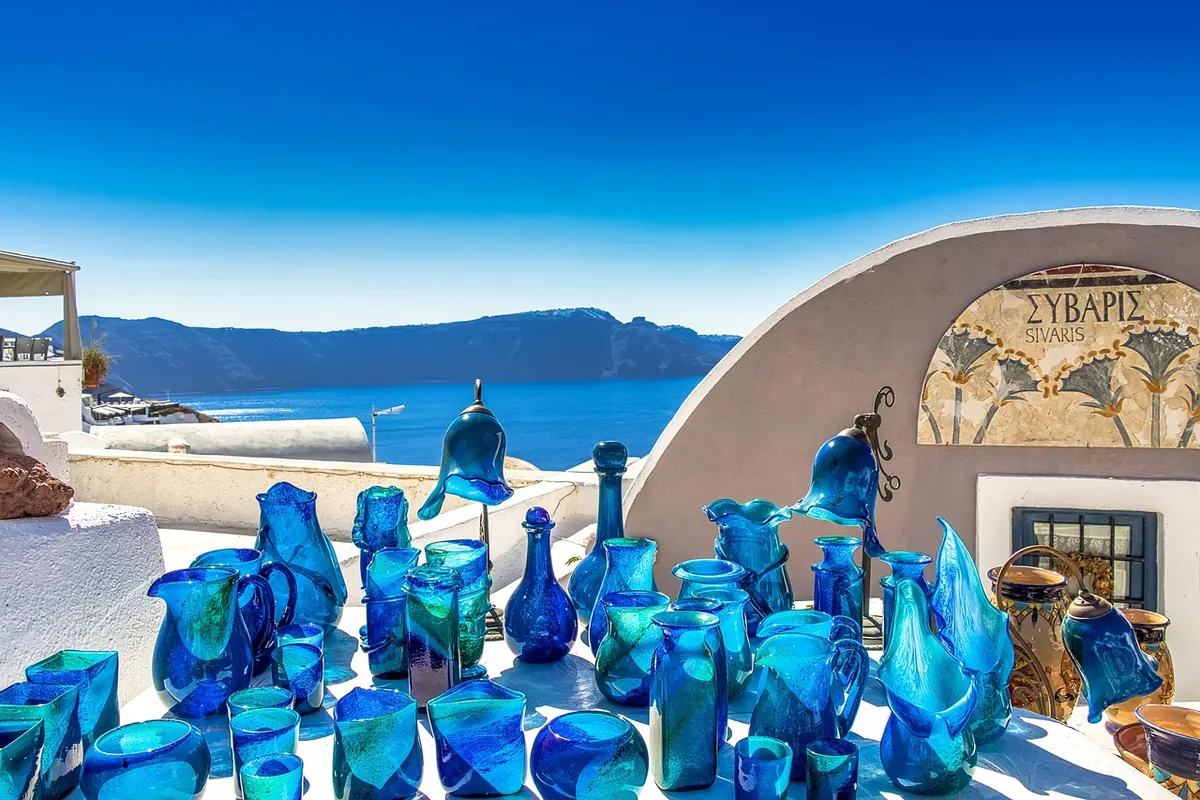
Glass earns its place by doing something ceramics cannot: it holds light. A cast-glass sphere can glow at the edge of a shady border, pick up the color of nearby leaves, or throw a faint shadow. In a modern garden, a single glass piece can look crisp against gravel and steel edging; in a cottage garden, too much glass may feel cold. Ceramic has surface. Matte stoneware absorbs light and reads as earth, stone, or bark; a glossy glaze catches the sky and adds a jewel note. Hand-thrown pieces show throwing lines, fingerprints, and glaze pooling—details that reward close viewing. A terracotta urn brings Mediterranean warmth; a porcelain sculpture looks refined but can disappear against pale walls.
Think about season. Glass can be a winter highlight when foliage is gone, but it may vanish in high summer glare. Ceramic holds its shape in snow and looks good with dried stems and evergreen. Grouping matters too: three small ceramic pieces can read as a collection; a single glass sculpture needs space around it.
Matching the Material to Your Garden and Habits
Before choosing, walk your site at different times of day. Note where wind funnels between buildings, where rain drips from a roof, where sprinklers hit, and where children or dogs cut through. Then use this check:
- Climate: In a freeze-thaw area, favor high-fired stoneware, porcelain, or outdoor-rated glass. Treat terracotta and raku as seasonal pieces unless the maker says otherwise.
- Exposure: A sheltered courtyard suits blown glass and delicate glazes; an exposed coastal garden needs sturdy bases and finishes that tolerate salt.
- Traffic: Keep brittle pieces out of the mowing line and away from paths where deliveries, bikes, or wheelbarrows pass.
- Maintenance: Glass wipes clean; textured ceramic may need a soft brush. Both benefit from a spring wash with mild soap and water.
- Style: Choose one material as the accent and let the other support it. A glass focal point among ceramic pots feels intentional; a mix of everything can feel cluttered.
A Practical Way to Choose
If you want a piece that changes with the light and can handle a sheltered spot, glass is the more expressive choice. If you want weight, texture, and a material that looks at home among plants, ceramic is often the easier fit. In harsh frost or exposed wind, buy well-made high-fired ceramic or purpose-made outdoor glass, set it on a stable base, and plan for replacement rather than perfect permanence. Whichever you choose, place it where you will see it from a window on a grey day. That is the real test of a garden ornament.
Photo: Magda Ehlers / Pexels